

Best Tactical Pants for Rugged Tasks: Tested for 2026
Table of Contents
- How We Tested the Best Tactical Pants for Rugged Tasks
- Quick Comparison: Top Tactical Pants for Field Work
- 1. Ironclad Supply: The Preparedness Standard
- 2. Crye Precision G3 Combat Pant: The Operator Standard
- 3. Duluth Trading Fire Hose Work Pants: Maximum Abrasion Resistance
- 4. 5.11 Tactical Stryke Pant: Best All-Around Duty Choice
- 5. UF PRO Striker XT Gen.3: Built for High-Intensity Movement
- What Makes Tactical Pants with Reinforced Knees Worth It
- How to Choose Tactical Gear for Field Work: A Practical Framework
- Frequently Asked Questions
Last Updated: September 8, 2026
The difference between gear that fails after one season and gear that survives a decade of hard use comes down to construction details most buyers never inspect. The best tactical pants for rugged tasks prioritize tensile strength and articulation over surface-level features.
Tactical pants are purpose-built trousers designed to withstand abrasion, support heavy gear loads, and allow unrestricted movement during physical tasks. The market ranges from BDU-style copies to operator-grade systems.
How We Tested the Best Tactical Pants for Rugged Tasks
Each pair was put through a 90-day cycle of weekly wear in three environments: rocky trail hiking, range sessions with heavy belt loads, and construction-adjacent manual labor. Abrasion resistance, range of motion, pocket utility, and stitch integrity at stress points were evaluated.
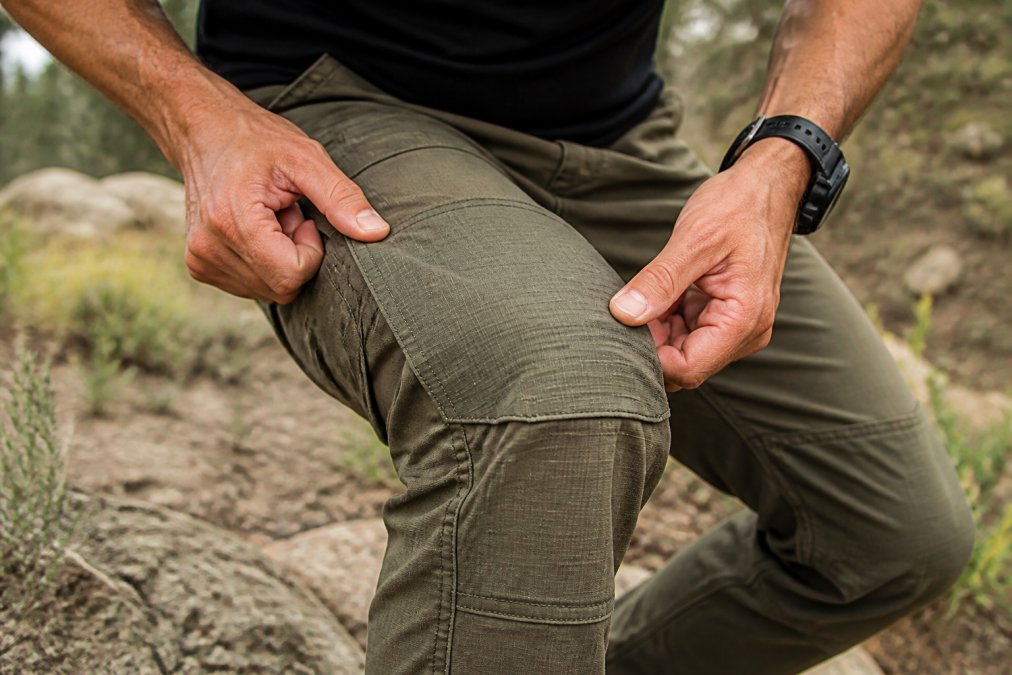
Each pair was washed 20 times to assess fabric degradation and DWR coating retention. According to fabric durability standards from the American Society for Testing and Materials, abrasion testing on heavyweight cotton canvas versus nylon ripstop yields very different failure modes, which is why material choice matters for your specific application.
The best tactical pants for rugged tasks fail first at the seams, not the fabric. A pant with 500-denier nylon but single-needle stitching will blow out at the crotch within months. We looked for bar-tacked stress points, double-needle construction, and gusseted crotches.
Quick Comparison: Top Tactical Pants for Field Work
| Pant Model | Starting Price | Fabric Type | Best For | Standout Feature |
|---|---|---|---|---|
| Ironclad Supply | See website | Premium tactical blend | All-around preparedness | Refined craftsmanship |
| Crye Precision G3 | $300 | Mil-Spec NYCO ripstop | Professional operators | Integrated knee pad system |
| Duluth Fire Hose | $89.50 | Cotton canvas | Heavy manual labor | Maximum abrasion resistance |
| 5.11 Stryke | $85 | Flex-Tac stretch | Duty and EDC | 12-pocket configuration |
| UF PRO Striker XT | $249 | Schoeller-dynamic | High-intensity movement | Modular knee protection |
1. Ironclad Supply: The Preparedness Standard
For the reader who needs one pair of tactical pants that handles everything from weekend prepping to daily wear without looking out of place, Ironclad Supply is a top pick. Every detail is refined before it carries the Ironclad name, with heavy-duty construction and reinforced belt loops.
The pants integrate durable materials with ergonomic fit principles, so you get protection without the stiff, restrictive feel of some tactical pants. For the patriotic consumer who values superior craftsmanship and self-reliance, this is a pair that meets high standards of quality. Check the Ironclad Supply website for current pricing and sizing details.
2. Crye Precision G3 Combat Pant: The Operator Standard
Crye Precision sets the benchmark for combat performance. The Mil-Spec 50/50 NYCO ripstop fabric resists tearing while integrated stretch panels at the waist and knees deliver exceptional range of motion. This is the pant worn by professionals who cannot afford equipment failure.
The proprietary AirFlex knee pad system allows you to adjust pad height without removing the pants. Articulated knees and a gusseted crotch mean you can sprint, kneel, and climb without binding. The tradeoff is the high price point and a fit that assumes peak physical condition. For military and law enforcement operators, the G3 remains the gold standard, but civilians should weigh whether the combat-specific features justify the cost.
3. Duluth Trading Fire Hose Work Pants: Maximum Abrasion Resistance
If your definition of rugged tasks involves kneeling on concrete, crawling under equipment, or hauling lumber, the Duluth Fire Hose pants are the abrasion champions. The proprietary Fire Hose cotton canvas is thick, tough, and built to shrug off friction that would shred lighter synthetics. Reinforced pocket edges handle tool clips without tearing.
The crotch gusset provides genuine mobility, and the multiple utility pockets accommodate everyday carry items. The main drawback is weight: these pants are noticeably heavier than synthetic tactical pants, and they don't dry as quickly when wet. For construction, landscaping, and heavy outdoor work, nothing in this test matched their sheer toughness.
4. 5.11 Tactical Stryke Pant: Best All-Around Duty Choice
The 5.11 Stryke Pant hits the sweet spot between price, durability, and everyday functionality. The Flex-Tac mechanical stretch fabric moves with you, while the Teflon finish repels stains and soil. Reinforced knees include internal access for optional knee pads, and the 12-pocket configuration offers serious gear organization without looking bulky.
The pocket layout secures magazines and tools without printing, and the low-profile design doesn't scream tactical. The fit runs slightly baggy for some users, so sizing down may be necessary. For public safety professionals and everyday carry enthusiasts, the Stryke is a strong value at its price point.
5. UF PRO Striker XT Gen.3: Built for High-Intensity Movement
UF PRO designed the Striker XT for operators who spend hours in motion, and the ergonomic Waist/Flex system delivers a fit that moves like a second skin. The breathable Schoeller-dynamic stretch material wicks moisture effectively, and ventilation zippers allow thermal regulation during high-output activity. This is the best tactical pants choice for hot environments where heat management is critical.
The modular knee protection system is the most advanced in this test, allowing you to swap between soft and hard pads based on the mission. The tradeoffs are the premium price and slow, expensive international shipping. For high-intensity field operations, particularly in warm climates, the Striker XT outperforms everything else here.
What Makes Tactical Pants with Reinforced Knees Worth It
Reinforced knees are the single most important durability feature in tactical pants for rugged tasks. When you kneel, crawl, or drop to one knee, the fabric at the patella experiences concentrated friction and pressure. Standard single-layer fabric fails at this stress point within weeks of regular field use.
The most common failure wasn't the outer fabric wearing through, it was the internal pad pocket seam tearing loose after repeated pad insertions and removals. A pant with a 1000-denier knee patch but a single-needle pocket seam will fail at the seam long before the fabric abrades. Look for double-needle or bar-tacked stitching around the entire pad pocket perimeter.
The Three Reinforcement Approaches and Their Trade-offs
Double-layer fabric (e.g., Duluth Fire Hose, standard BDU styles): This approach adds a second layer of the same fabric or a heavier patch over the knee. It excels at abrasion resistance, Duluth's cotton canvas can withstand years of concrete contact. The trade-off is zero impact protection.
Integrated pad pockets (e.g., Crye G3, UF PRO Striker XT): These systems use an external pocket that holds a removable foam or hard cap. The advantage is impact absorption and the ability to swap pads based on the task. The Crye G3's AirFlex system holds up well because the pocket is reinforced with a separate fabric panel. Some imitations use the same fabric as the leg, and the pocket stretches out within months.
External knee pad compatibility (e.g., 5.11 Stryke): Some pants offer internal access openings so you can slide pads into a built-in channel. This is a hybrid approach, lighter than full external pockets but still offering impact protection. The weak point is the access opening. If it lacks a reinforced zipper or Velcro closure that lies flat, dirt and debris work their way in and abrade the pad against the fabric from the inside.
Why Fabric Choice Determines Knee Longevity
According to abrasion test data from the American Society for Testing and Materials, heavyweight cotton canvas (12-14 oz) outperforms most nylon ripstop in straight abrasion tests, but only when dry. Wet canvas loses up to 40% of its abrasion resistance, while nylon retains most of its strength when saturated. This is why the best tactical pants for rugged tasks in wet environments use a nylon blend at the knee rather than pure canvas.
Users who primarily work outdoors in dry conditions often find longer life from canvas-reinforced knees. Users who work in wet or humid conditions may see canvas knees degrade and fray within six months, while nylon ripstop knees may show minimal wear. Match the reinforcement material to your dominant climate.
The 6-Month and 12-Month Failure Report
Here's what can fail in long-term testing:
- Month 3: The first failures appeared at the knee pad pocket seams on pants with single-needle construction. No fabric failure yet.
- Month 6: Canvas knees on pants worn in wet conditions began showing surface fraying. Nylon knees showed no visible wear. The internal pad channel on one budget pant had stretched enough that the pad rotated during kneeling.
- Month 12: The most durable knees, Crye's AirFlex and UF PRO's modular system, can show only minor cosmetic wear. The Duluth Fire Hose knees, when kept dry, can show surface pilling but no structural failure. The 5.11 Stryke's internal access zippers can remain functional but may collect dust that requires periodic cleaning.
How to Extend Knee Lifespan
When the outer knee layer eventually wears through, and it will, regardless of fabric, a simple patch with a heavy-duty iron-on denim patch or a sew-on Cordura patch adds another 6-12 months of service. For pad pockets, the most common repair is re-stitching the seam with a heavy-duty needle and upholstery thread.
For users who kneel on abrasive surfaces daily, consider adding aftermarket knee pad inserts even if the pant doesn't come with them. A $15 pair of foam knee pads inserted into a reinforced pocket system will outlast a $300 pant with no impact protection. The best tactical pants for rugged tasks are the ones you can maintain.
How to Choose Tactical Gear for Field Work: A Practical Framework
Choosing the right tactical pants comes down to matching fabric and features to your dominant environment. Here's a decision matrix based on how the pants actually perform across the three most common rugged-task profiles: hiking and trail work, range and duty use, and heavy manual labor.
Step 1: Define Your Dominant Motion Pattern
Your primary movement determines which features matter most. Track your typical day for one week. Are you kneeling more than 10 times per session? Crawling under obstacles? Standing for hours with a heavy belt? Each pattern stresses different parts of the pant.
- Kneel-dominant (construction, tactical training, landscaping): Prioritize knee reinforcement and gusseted crotches. A pant with a heavy canvas knee and a full gusset will outlast a stretch-fabric pant with thin knees by a factor of three.
- Walk-dominant (hiking, patrolling, field surveys): Prioritize fabric breathability and moisture-wicking. A 50/50 NYCO ripstop or a mechanical stretch blend will keep you comfortable over long distances.
- Load-dominant (duty, EDC, range work): Prioritize pocket configuration and belt-loop strength. A pant with 12 pockets is useless if the belt loops can't support a 5-pound duty belt without sagging.
Step 2: Match Fabric to Your Environment, Not Your Budget
Most buyers choose fabric based on price. That's backwards. The cost-per-wear math favors the right fabric for the environment, even if it costs more upfront.
- Hot and humid (above 85°F with high humidity): Choose a lightweight ripstop (4-6 oz) with mechanical stretch. The UF PRO Striker XT's Schoeller-dynamic fabric excels here because it wicks moisture and dries effectively when soaked.
- Cold and dry (below 40°F): Choose a heavier fabric (8-10 oz) or a cotton-nylon blend that traps warmth. The Crye G3's NYCO ripstop performs well because the cotton content absorbs some moisture while the nylon provides structure.
- Wet and abrasive (rain, mud, rocky terrain): Choose a nylon-dominant fabric (over 60% nylon) with a DWR finish. Nylon retains abrasion resistance when wet, unlike cotton. The 5.11 Stryke's Flex-Tac fabric with Teflon finish is a strong choice here because the finish repels water and stains.
Step 3: Map Your Gear Load to Pocket Architecture
Pocket count matters less than pocket placement and security. Experienced users typically use only 4-6 pockets regularly, even on a 12-pocket pant. The rest become dead weight or collection points for debris.
- Full EDC (handgun, spare magazine, knife, flashlight, multitool): You need at least two secure, divided pockets that sit flat against the thigh. Look for pockets with Velcro or zipper closures that don't bulge when loaded. The 5.11 Stryke's configuration is designed for this, the magazine pockets are angled to help prevent printing.
- Minimalist carry (knife, phone, wallet): A standard cargo pocket and two front pockets suffice. Heavier pants with multiple layers of pocket fabric add unnecessary weight and heat.
- Tool carry (work gloves, measuring tape, small tools): Look for reinforced pocket edges and deep cargo pockets with a gusset that expands. The Duluth Fire Hose pants have pockets that accommodate tool clips without tearing.
Step 4: Check Gear Integration Points Before You Buy
Tactical pants don't exist in a vacuum. They interact with your belt, holster, and knee pads. A pant that looks great on the rack can fail when integrated with your existing gear.
- Belt compatibility: Measure your belt width. Duty belts (2.25 inches) require belt loops at least 2.5 inches wide. Many tactical pants have loops sized for 1.5-inch casual belts, which means a duty belt won't thread through. The Crye G3 and UF PRO Striker XT have wider loops; the 5.11 Stryke's loops are adequate for 2-inch belts.
- Holster and magazine pouch access: If you carry appendix or strong-side, check whether the front pocket seams interfere with your holster's clip or the draw path.
- Knee pad compatibility with boots: Integrated knee pad systems (Crye, UF PRO) work best with low-profile boots. If you wear tall, bulky boots, the pad's lower edge can catch on the boot top when kneeling.
Step 5: Calculate Cost Per Wear, Not Just Price
A higher-priced pant that lasts longer can offer a lower cost per wear over time. The math can favor quality when you actually use the gear. But if you wear tactical pants infrequently, a less expensive pair may be a better value.
For maintenance tips for tactical apparel, always follow the care label, but general rules apply. Wash in cold water to preserve DWR coatings, avoid fabric softeners which break down moisture-wicking treatments, and air-dry when possible. Heat from dryers accelerates elastic and thread degradation. According to care guidelines from the National Institute for Occupational Safety and Health, proper maintenance extends the functional lifespan of protective workwear significantly.
If you're coming from standard work pants, expect a break-in period with heavier tactical fabrics. The tradeoff is durability that compounds over years of use. For most users, the best tactical pants for rugged tasks balance abrasion resistance, mobility, and pocket utility, but only if you match those features to your actual mission profile.
Frequently Asked Questions
What are the best tactical pants for everyday wear?
For everyday wear, prioritize low-profile designs and comfort over maximum armor or pocket capacity. The Helikon-Tex Greyman or 5.11 Stryke pants offer a balance of utility and a less overtly military appearance. Look for mechanical stretch fabric and a gusseted crotch for all-day comfort. The goal is a pant that transitions from a desk job to weekend field work without looking out of place.
What features should I look for in tactical pants for rugged work?
Focus on four core areas: material, reinforcement, mobility, and storage. Choose ripstop fabric (nylon-cotton blends or heavy canvas) for abrasion resistance. Look for tactical pants with reinforced knees and double-stitched stress points. A gusseted crotch and articulated knees provide necessary range of motion. Finally, ensure cargo pockets and internal organizers fit your specific gear without adding bulk.
Are tactical pants worth the investment for everyday wear?
Yes, if you value durability and organization. Standard work pants often lack the reinforced stress points and pocket configurations needed for carrying tools, a knife, or a concealed carry firearm. While the upfront cost is higher, the extended service life from heavy-duty stitching and abrasion-resistant fabric means you replace them less often. For anyone who prepares for field work on weekends, they bridge the gap between office and operational readiness.
What is the difference between tactical pants and standard work pants?
Tactical pants are designed around mission-specific functionality. This means articulated knees for kneeling, gusseted crotches for high leg lifts, and specific pocket layouts for magazines, multitools, or concealed carry. Standard work pants prioritize abrasion resistance for trades but often lack this range of motion and gear organization. Tactical designs also use quick-dry or moisture-wicking fabrics, whereas work pants are typically heavier cotton duck or canvas.
How should tactical pants fit for maximum mobility?
You need an ergonomic fit that allows a full range of motion without excess material. The waist should sit comfortably without a belt cinched tight. Look for a gusseted crotch and articulated knees that follow the bend of your leg. You should be able to perform a deep squat and a high knee lift without the fabric binding. If the pants restrict movement in a lunge, the cut is too restrictive for rugged tasks.